
What is periorificial dermatitis?
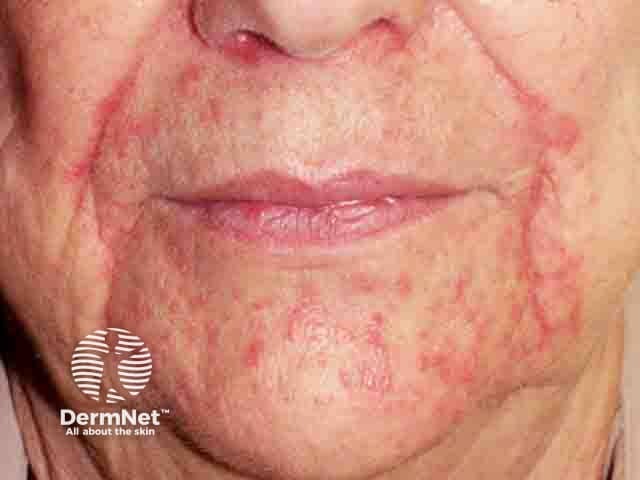
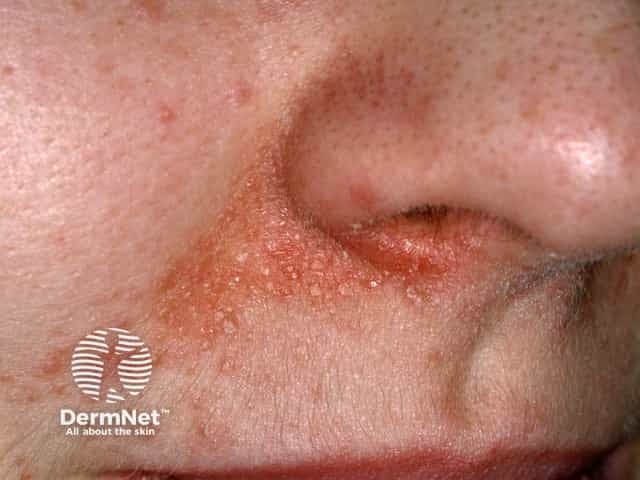
Periorificial dermatitis (POD) is a relatively common chronic inflammatory skin eruption. It preferentially targets cutaneous orifices as implied in its name ie, around the eyes, nostrils, mouth, and occasionally the genitals.
Periorificial dermatitis may be limited to a single orifice, where it is more appropriately termed:
-
Perioral dermatitis (classic site affected)
-
Periocular dermatitis
-
Perinasal dermatitis
-
Genital periorificial dermatitis (involving the labia majora, scrotum, or anus).
Who gets periorificial dermatitis?
Periorificial dermatitis is slightly more common in lighter-skinned females and usually affects young to middle-aged women (20–45 years). However, it is also seen in young children, often between 7 months to 13 years old.
The exact incidence and prevalence remain unknown.
What causes periorificial dermatitis?
The exact cause is not understood. A suggested mechanism proposes epidermal dysfunction, resulting in:
- Increased penetration of exogenous agents through the stratum corneum, triggering irritation.
-
Increased trans-epidermal water loss resulting in tightness and dryness.
Risk factors associated with POD
-
Steroid use via all routes (topical, inhaled, nasal insufflation) is the most common association. Application may be accidental (eg, nasal sprays) or intentional.
- Cosmetic use.
-
Allergens/irritants eg, toothpaste and dental fillings.
-
Hormonal changes caused by oral contraceptive use, pregnancy, and premenstrual flares have been observed.
-
Atopic predisposition.
-
Physical factors including UV light, heat, and wind seem to worsen periorificial dermatitis.
Epidermal barrier dysfunction secondary to:
- Nutritional deficiencies eg, zinc deficiency
- Occlusive emollient use leading to overhydration eg, paraffin or petroleum-based emollients
- Sunscreen use, particularly physical sunscreens in children.
What are the clinical features of periorificial dermatitis?
Cutaneous features of periorificial dermatitis include:
An acneiform eruption
-
Clusters of skin-coloured to red papules, vesicles, and pustules
-
Usually less than 2mm each; may coalesce into larger lesions
-
Erythematous base with a sharp border
- Surrounding dry skin
-
Scaly and flaky skin surface
-
Burning sensation or skin tightness
-
Itch.
Pain is rare, although skin sensitivity is common and patients are otherwise systemically well.
Topical steroids can obscure the primary rash and may also result in steroid-induced cutaneous side effects.
For more information on this condition and its management, see Periorificial dermatitis




Post your comment
Comments
21 October 26
Mukhtar
An excellent article about OPD. THANKS
No one has commented on this page yet.