
Dermatological Emergency: Anaphylaxis
Anaphylaxis is an acute, life-threatening, systemic hypersensitivity reaction that requires immediate diagnosis and treatment. Signs and symptoms of anaphylaxis include urticaria, angioedema, respiratory compromise, hypotension, and gastrointestinal upset.
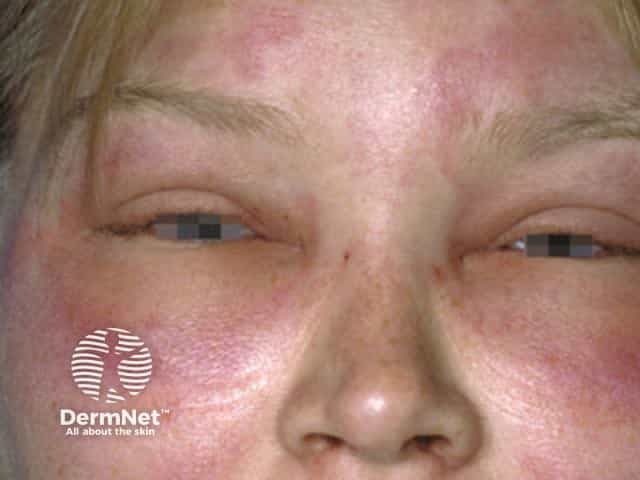
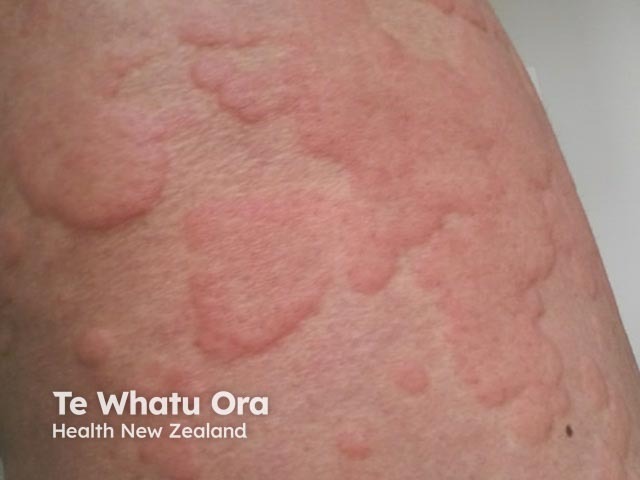
Typical features include the following:
Skin and mucosal
-
Pruritus (itch) either localised or general
-
Urticaria (hives), red skin rash, and angioedema (swelling)
-
The skin may feel hot and flushed
Respiratory
-
Shortness of breath, throat tightness, coughing, sneezing, wheeze, stridor, change in voice quality
-
Upper airway obstruction indicated by nasal congestion, swelling of lips or tongue, hoarseness
Cardiovascular
-
Collapse, syncope, dizziness, tachycardia, hypotension
Key Points:
-
Skin and mucosal features occur in up to 90% of reactions.
-
Respiratory symptoms occur in up to 85% of reactions.
-
Symptoms usually occur within 5–60 minutes of contact with the allergen.
-
Food-induced anaphylaxis often produces skin reactions and respiratory symptoms.
-
Acute anaphylaxis must be treated as a medical emergency requiring hospitalisation for continued assessment and stabilisation of airway, breathing and circulation.
Why it matters:
Fast onset and rapid progression of symptoms usually indicate severe, life-threatening anaphylaxis. Prompt recognition and prompt treatment is critical in anaphylaxis.
To read more about anaphylaxis and its management, see Anaphylaxis




Post your comment
Comments
No one has commented on this page yet.