
The many faces of mycosis fungoides
Mycosis fungoides is not a common condition, although it is the commonest form of cutaneous lymphoma. There is often a delay in initial diagnosis because it can appear similar to other inflammatory conditions such as eczema, psoriasis, and dermatophyte infection. It may progress from patch to plaque to tumours stages slowly, but there are some clues that should alert one to the diagnosis.
Initial patch lesions tend to be asymmetric and may have scalloped irregular margins and fine scale. Some lesions will show poikiloderma, that is atrophy, telangiectasia, and pigmentation. Light-shielded areas are favoured.
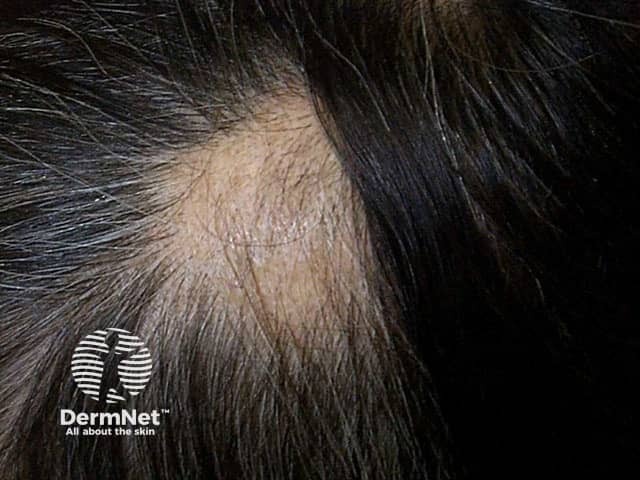
Folliculotropic disease has a predilection for hair follicles which can become plugged, and have a nutmeg grater-like feel and pustules may develop beneath the plugs. Darker skin types may show hypopigmentation. Plaques may be irregularly scattered and can be polycyclic or arciform.
Initial biopsies can be reassuring as there is so often a lag between clinical suspicion and histological confirmation. Tumours are more obvious and histology usually unequivocal.
So, if conditions are not responding as you would expect, keep MF in the back of your mind, and do not be shy about rebiopsy!




Post your comment
Comments
27 September 26
Tahar
Merci
25 September 26
Crystal
Thanks dermnet
23 September 26
Adam
You never make a diagnosis unless you think of it..
18 September 26
Andrew
Followed a patient - Australian, who was seen for. several months/years with GP’s prescribing steroids for eczema, never biopsied, never went away. He went to Thailand on holiday where the rash seemed to worsen… and saw a dermatologist was assessed and diagnosed there with MF.
17 September 26
Kathy
Another wonderful and informative article
Thanks again dermnet
16 September 26
Ramana
Not similar to presentations on dark toned skin Fitzpatrick 5 and over,
also untreated it can be cause of death
Ramana Gopala MD MPH
16 September 26
Elham
Thank you for this information
No one has commented on this page yet.